
How can interactive aesthetics mediate access to the computing concepts inherent to Indigenous quilts by students underrepresented in STEM?
Source(s) of funding: National Science Foundation, Google
Heritage Algorithms is a theoretical framework that emerged from a design inquiry on the use of interactive aesthetics to facilitate access to computing concepts inherent to cultural art practices like quilting to motivate youth culturally underrepresented in science, technology, engineering, and math (STEM) to pursue majors and careers in computing and related disciplines within STEM.
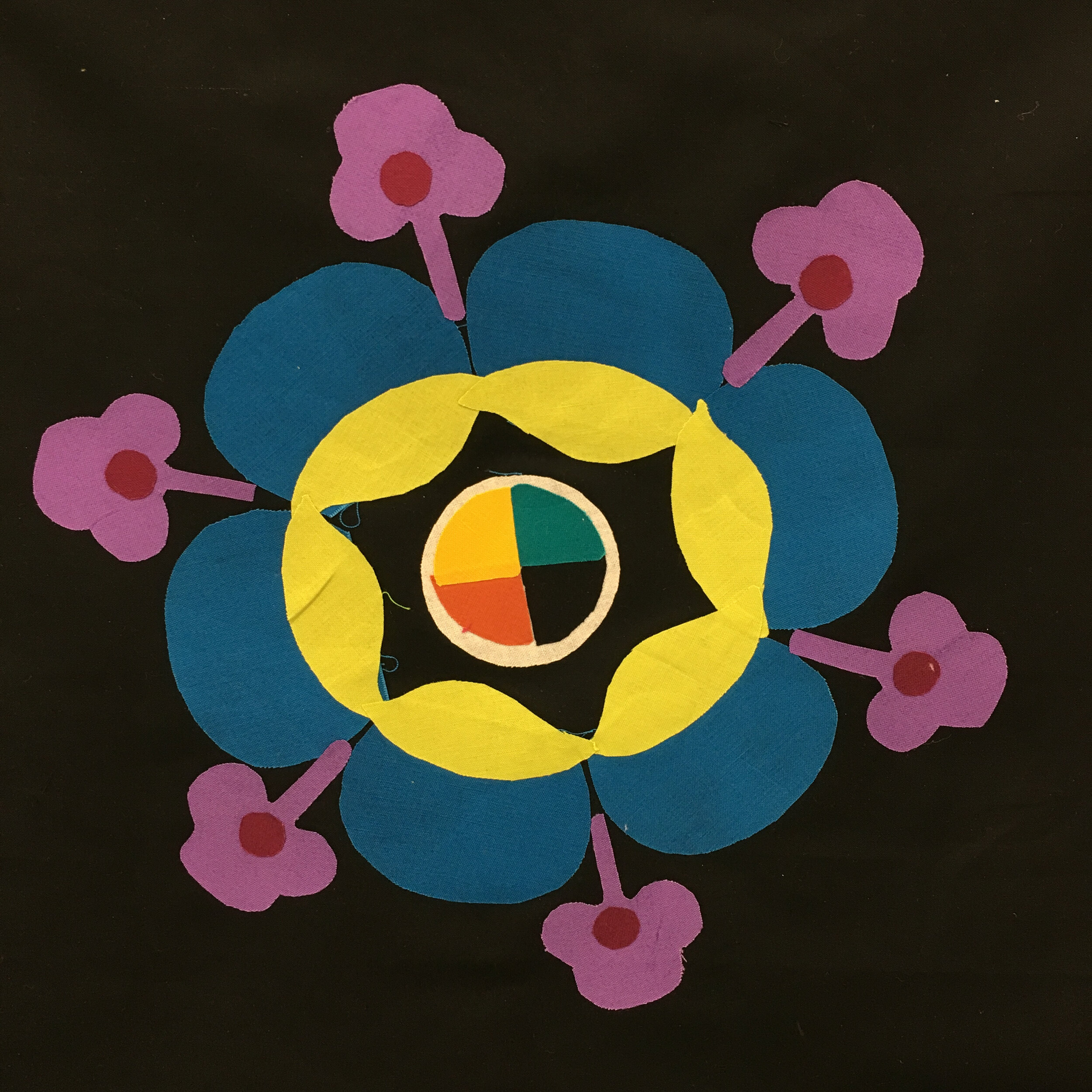
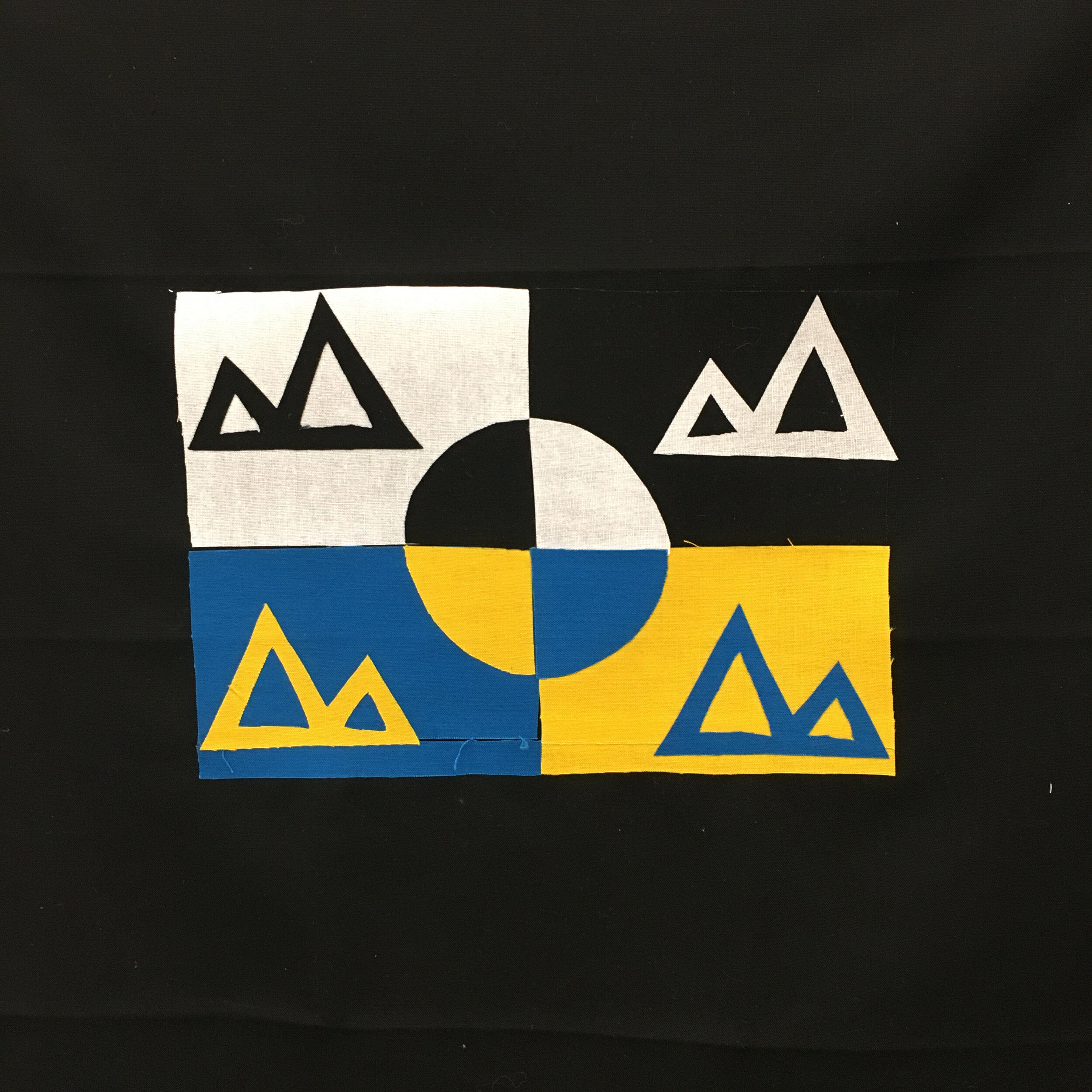
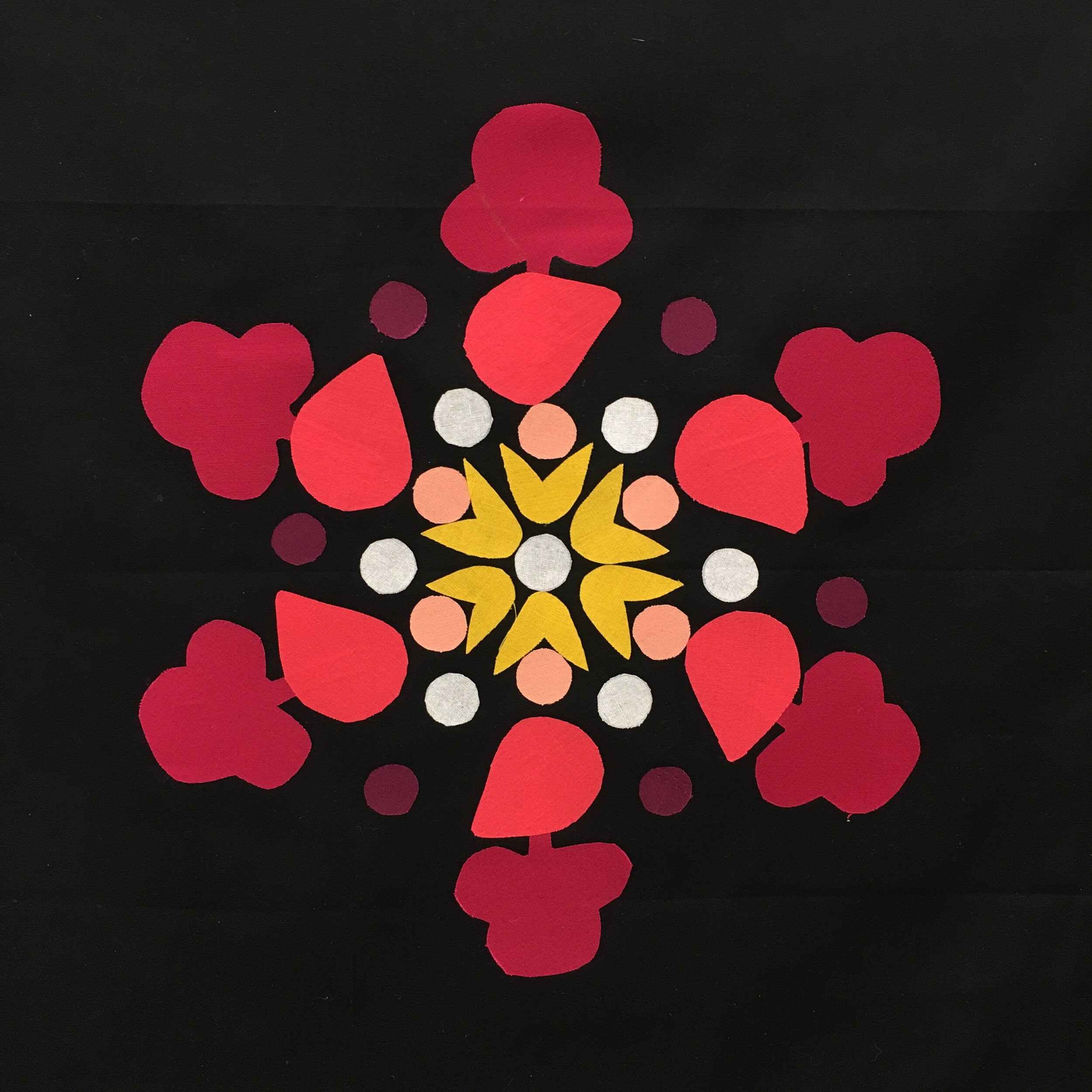
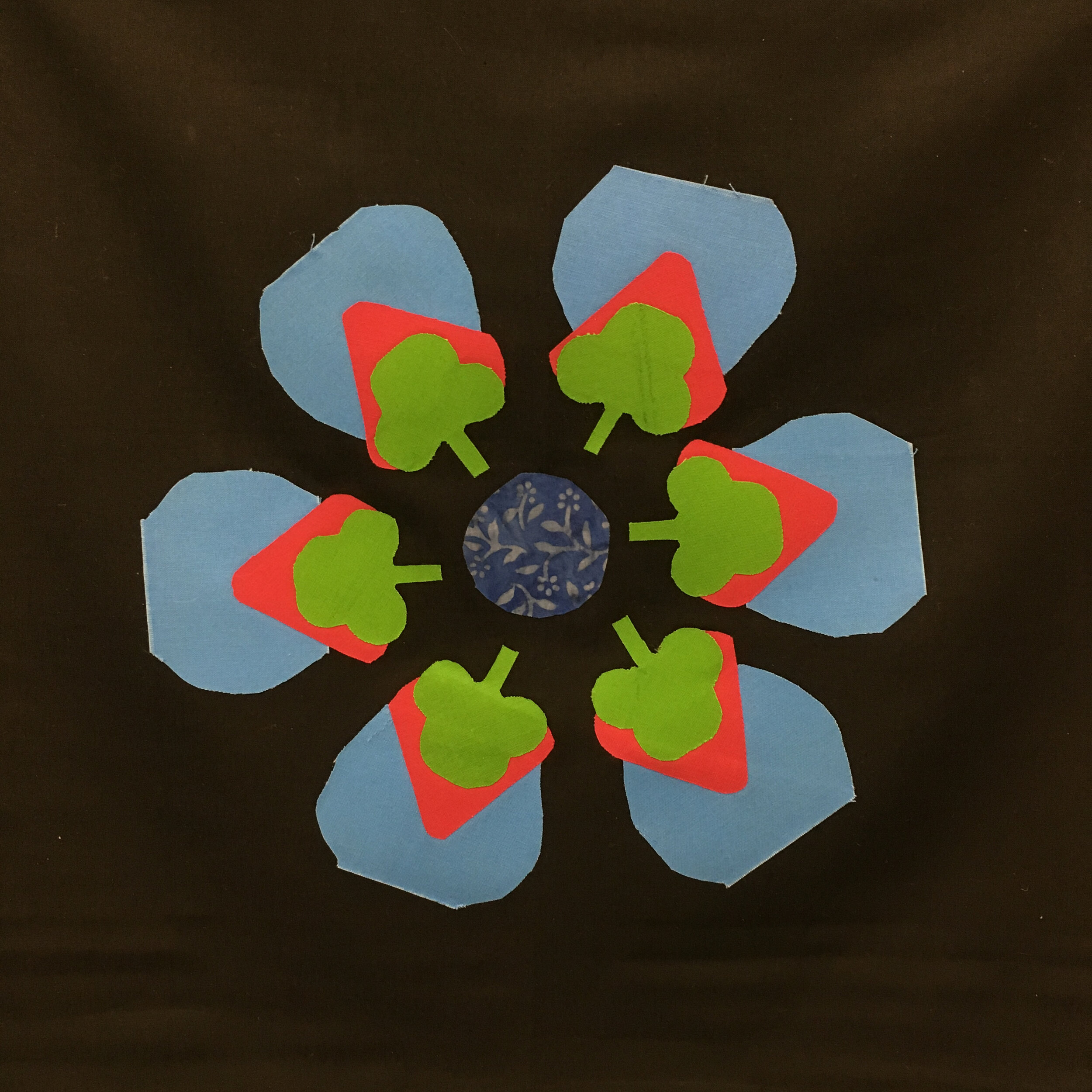
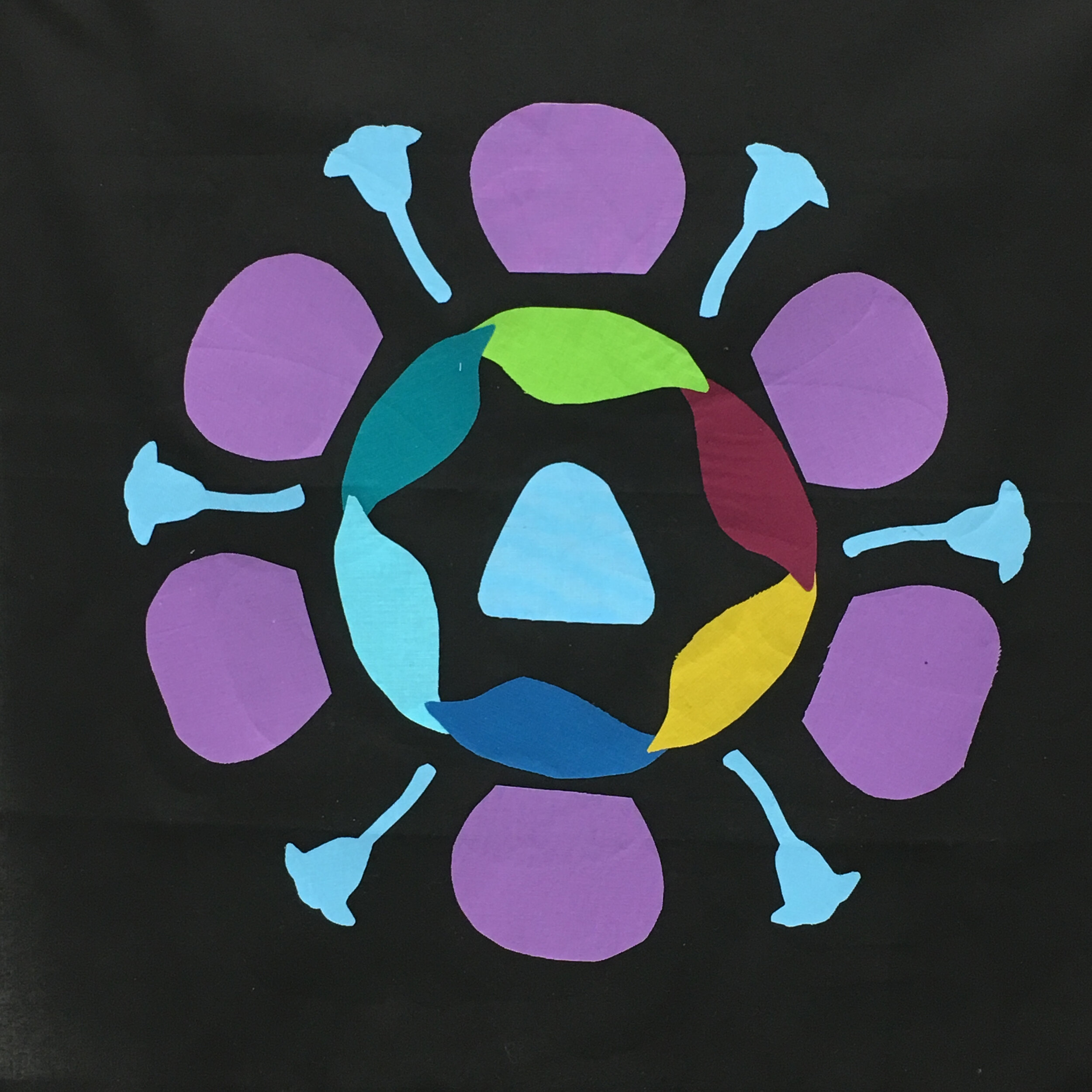
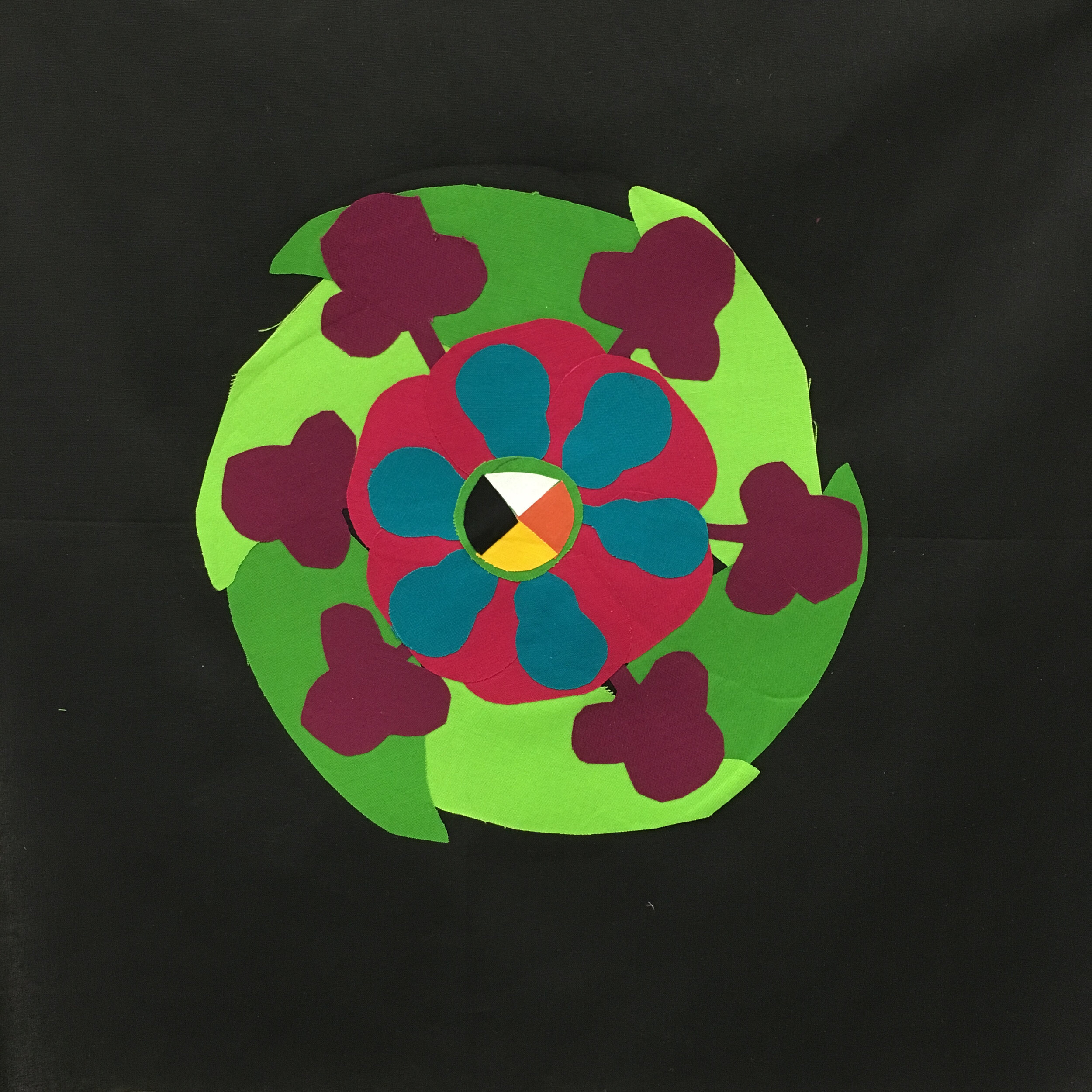
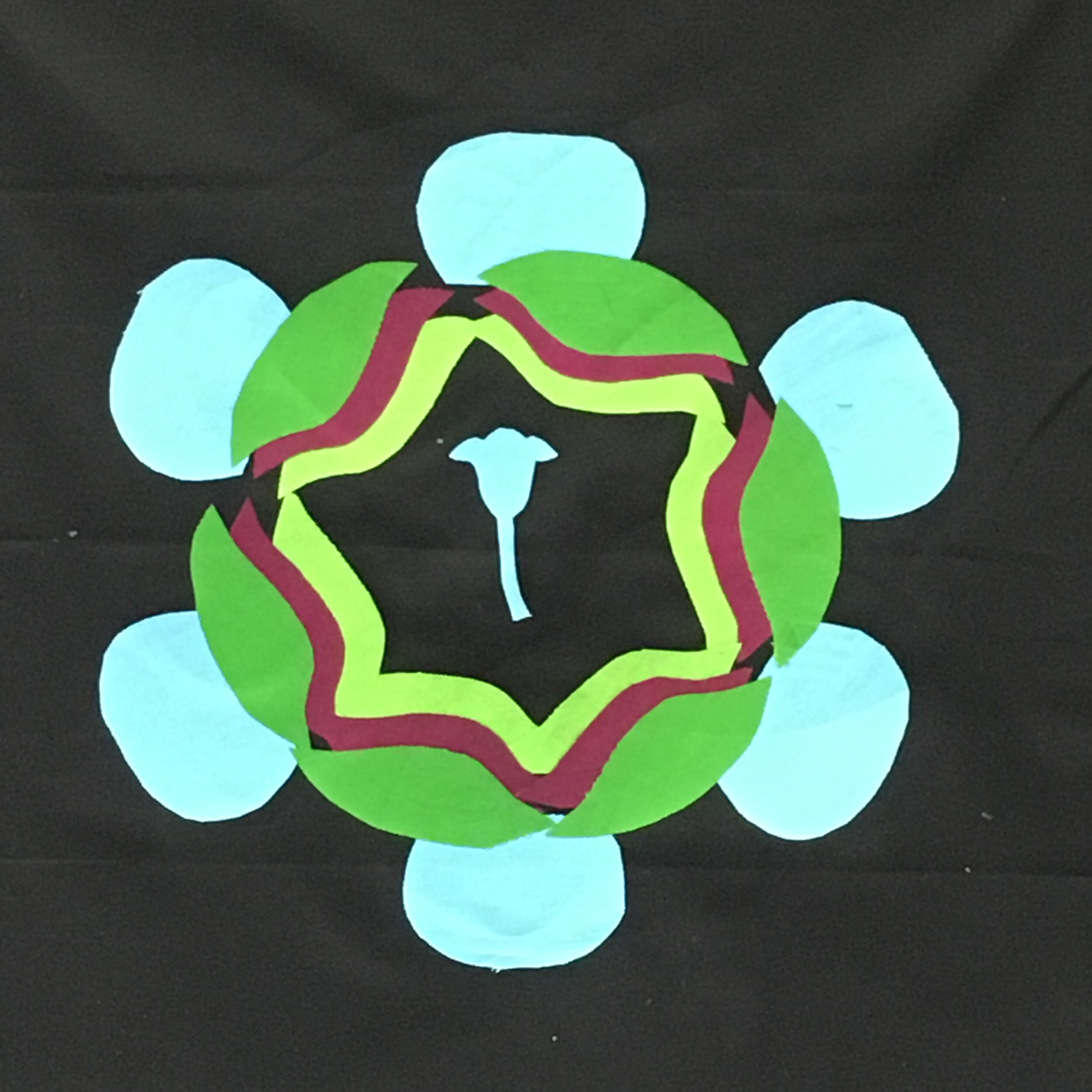
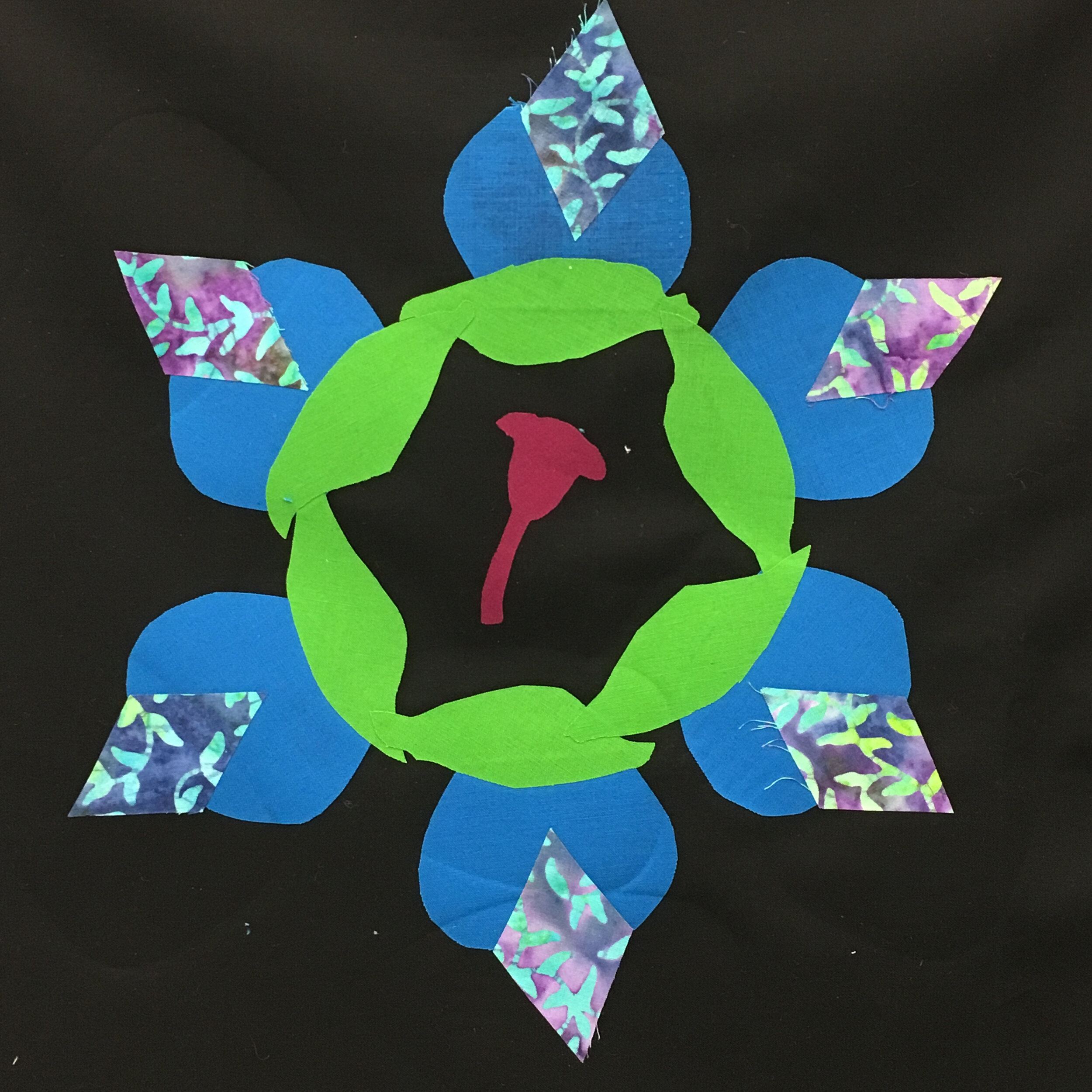
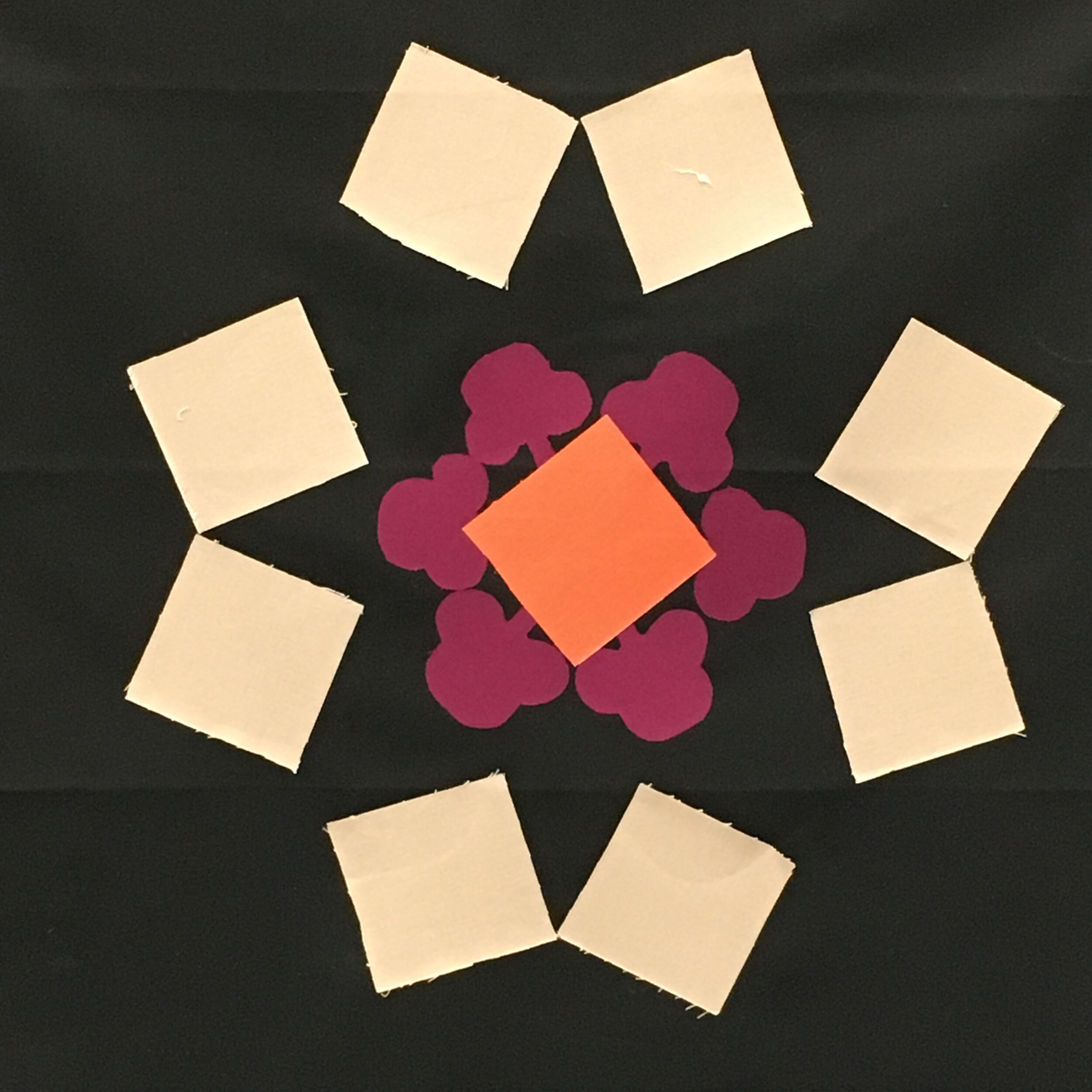
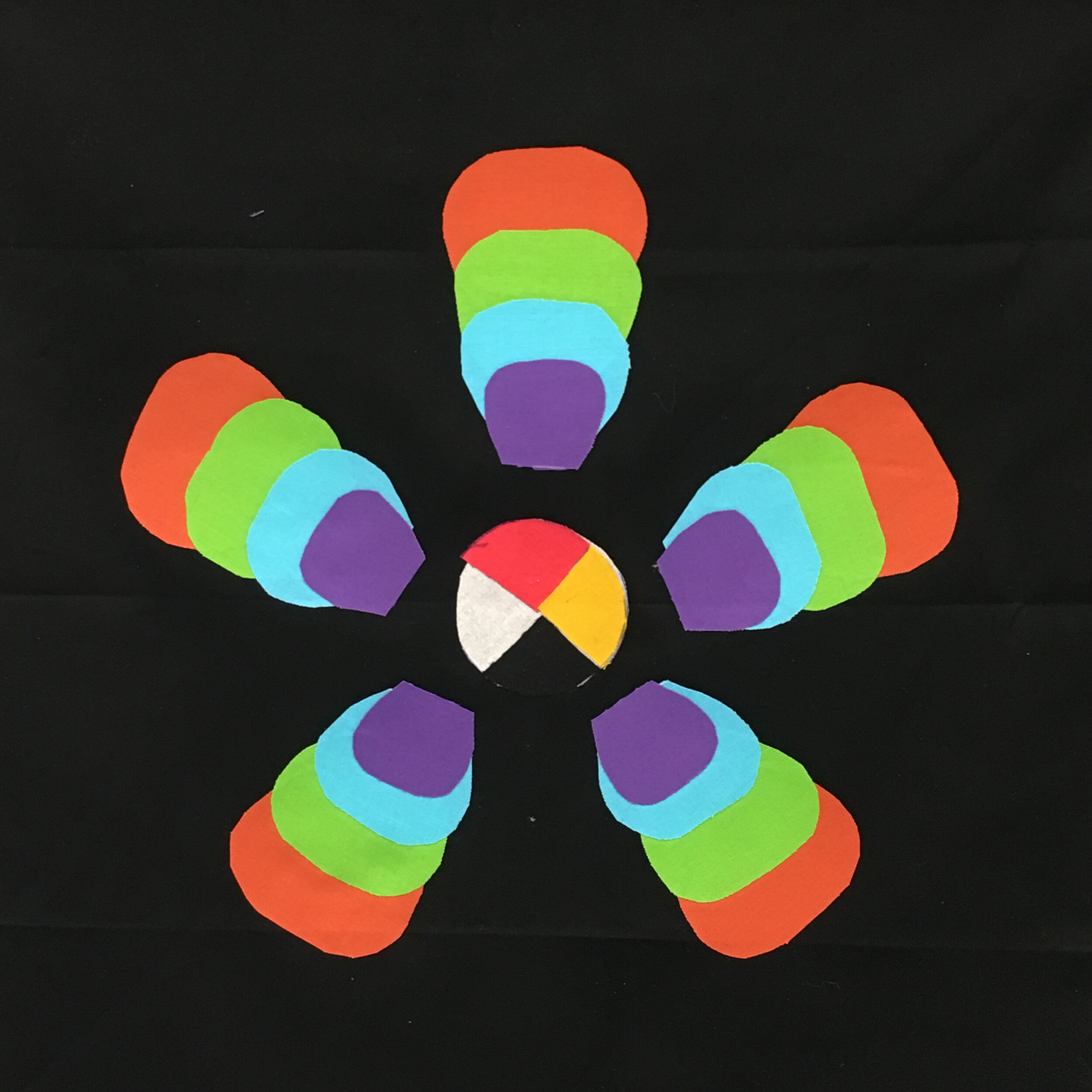
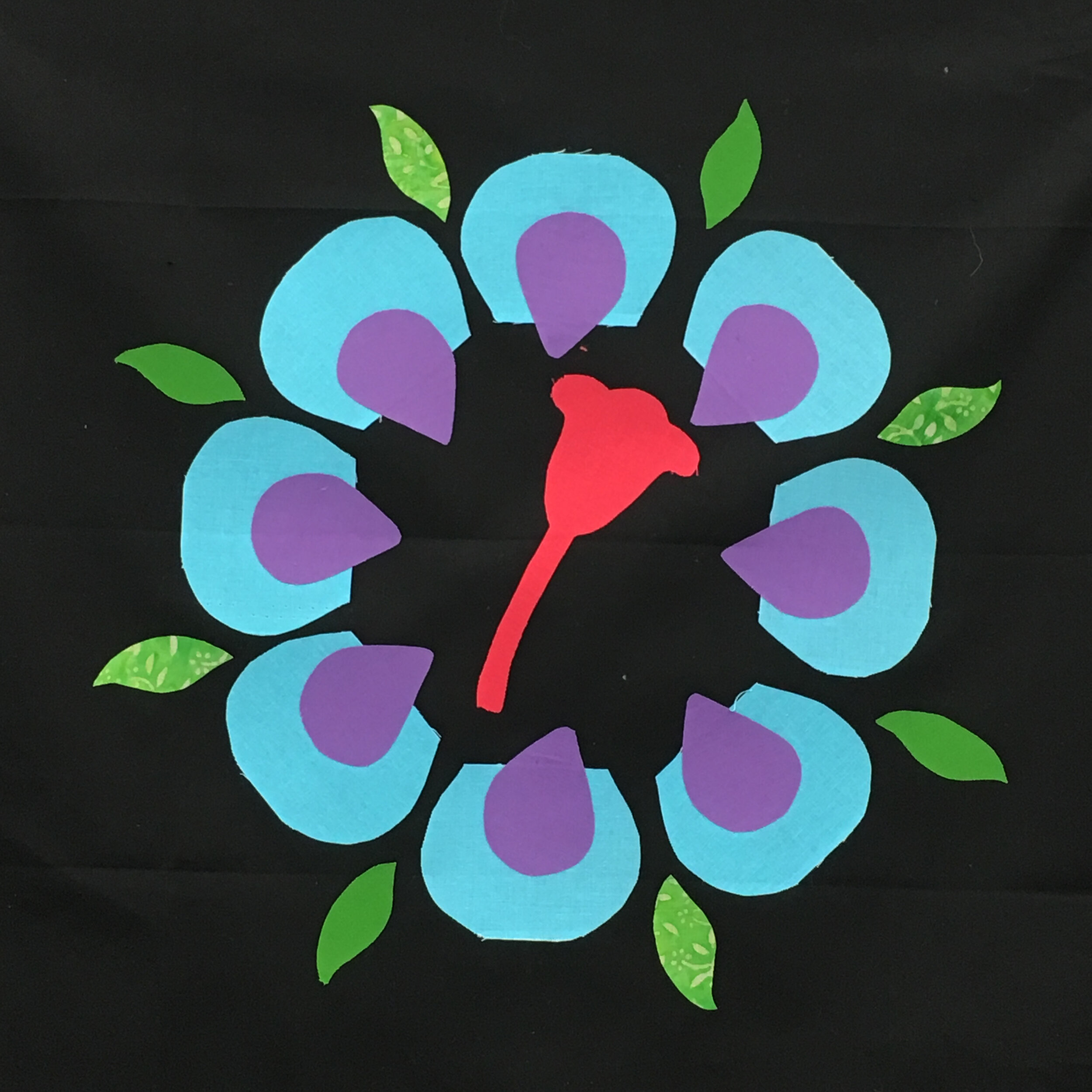
With funding from the National Science Foundation and Google’s CS4HS program, we conduct workshops called Seeing Heritage Algorithms in formal and informal learning environments with secondary art teachers and students. In the workshop, students use a Quilting CSDT to simulate quilting patterns based on original quilts from African-American, Native, and Appalachian cultures. Then they physically render their simulations on cloth using a no-sew, applique process.
“No pedagogy which is truly liberating can remain distant from the oppressed by…presenting for their emulation models from among the oppressors. The oppressed must be their own example in the struggle for their redemption.”
-Paolo Friere
Simulation of a quilt pattern using the Appalachian Quilting CSDT.
Physical quilt block rendered by students from Harlem Academy using applique on cloth.
Simulations of quilts made with the
Anishinaabe Quilting CSDT:



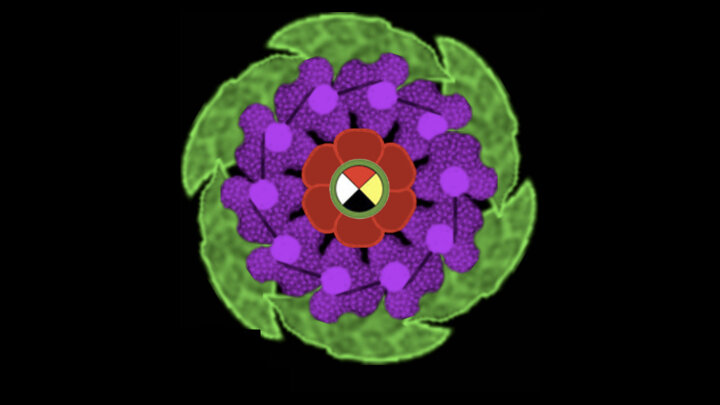


Physical quilt blocks inspired by computer simulations and made with applique on cloth:




Directed by Audrey G. Bennett
-
BAO is a game played in Africa. Here it is used metaphorically to describe collaborative designing remotely. While other researchers have used the virtual design studio concept to represent computer-supported, cooperative work, these human-computer interactions are typically for professional projects (e.g., architects talking to architects). With Baohouse (pronounced Bauhaus), I aim to engage lay communities locally and remotely. It is an immaterial and motile space where I conduct theoretical and applied investigations on how “interactive aesthetics” can engage lay people with socially and environmentally transformative images that can yield cognitive and behavioral changes toward attaining equity and justice.
-
Marguerite Botha, University of Pretoria, South Africa (Children’s Health in SA)
Fatima Cassim, University of Pretoria, South Africa (Children’s Health in SA)
Chris Corneal (I Profess)
Mukkai Krishnamoorthy Department of Computer Science, Rensselaer (Diversifying STEM)
Alison Eardley, University of Westminster (W-iCAD)
Ron Eglash, School of Information + Stamps, University of Michigan (Diversifying STEM; Artisanal Robots; HIV/AIDS Awareness and Prevention; Humanoid Robots; and Life)
Michael Lachney, Michigan State University (Diversifying STEM)
Lionel Roberts, School of Information, University of Michigan (Artisanal Robots)
Jennifer A. Vokoun, Walsh University (Food Security) -
William Babbitt, Research Associate, Rensselaer (Diversifying STEM, CS4HS)
-
Adream Blair (GLIDE’10-’12)
Gloria Gomez (GLIDE’10-’12)
Muthoni Kimani (GLIDE’12)
Michele Washington (GLIDE’08-’12) -
University of Michigan Doctoral Students:
Kwame Robinson, SI (Artisanal Robots)
Caitlin Dyche, C&M, LSA (The Just Museum Experience)
University of Michigan Masters Students:
Megan Freund, Stamps (Diversifying STEM)
Kayla Guillory, Stamps (WSDOM)
Shelbi Lisecki, Stamps (Interactive Aesthetics)
Stephanie Szemetylo, Stamps (WSDOM)
Nicholas Lamarca, Stamps (The Just Museum Experience)
Rensselaer Doctoral Students:
David Banks (Red Card)
Brian Callahan (Diversifying STEM, CS4HS)
Michael Lachney (Diversifying STEM, CS4HS)
John Licato (Red Card)
Ray Lutzky (Diversifying STEM, DYF)
Marie Rarieya (Act Now)
Dylan Rees (Diversifying STEM, CS4HS)
Rensselaer Masters Students:
Sarah Diodato (Act Now)
Angelo Gaetano (Act Now)
Mark Oppenneer (GLIDE)
-
University of Michigan
Rohan Agrawal (WSDOM)
Katie Bailey (WSDOM)
Tawsif Habib (WSDOM)
Chloe Hooker (Diversifying STEM)
Gautham Jayaraj (WSDOM)
Zahra Makim (WSDOM)
Michael McCallig(WSDOM)
Amirul Miah (Diversifying STEM)
Lara Niemchick (Heritage Algorithms)
Angela Ponce Solano (WSDOM)
Aaron VonBargen (WSDOM)
Daniel Williams (DESIS Lab)
Rensselaer Laura Antoniello (Social Media Marketing)
Zac Autio (Diversifying STEM, DYF)
Melissa Batalin (GLIDE)Joe Brust (Act Now)
Jesse Cline (Diversifying STEM, DYF)
Mackenzie Clippard (Diversifying STEM, CS4HS)
Joyce Edwards (Act Now)
Kim Gomboz (GLIDE)
Andy Lao (Social Media Marketing)
Ashlee Lindo (GLIDE)
Rajas Nagpurkar (Diversifying STEM, CS4HS)
Natalie Semczuk (Diversifying STEM, DYF)
Laura Sherman (Act Now)
Kelly Singco (GLIDE)
Donna Tytko (Act Now)
Carla Voorhees (Act Now)
-
Marcel Bennett (Diversifying STEM, DYF)
Moriah Harling (Diversifying STEM, CS4HS)
Jamie Park (Diversifying STEM, CS4HS)
Jonathan Ward (Diversifying STEM, DYF)
Kimi Wenzel (Diversifying STEM, CS4HS)